Polar Tough Home Models
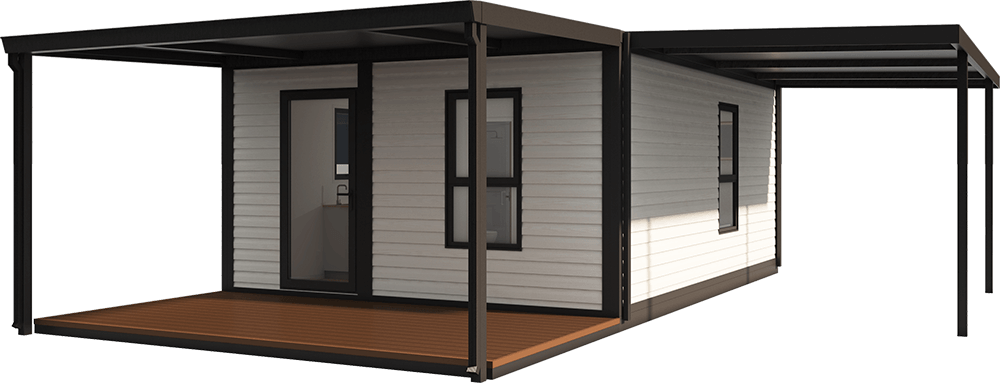
Polar Tough Homes are practical, Alaska-first housing solutions designed for cold climates, remote logistics, and short building seasons. Our design priorities are affordability and speed as first-order requirements, not afterthoughts.
Polar Tough Homes offers five core models, each designed as a single-module solution that can be shipped efficiently and deployed quickly on a prepared foundation.
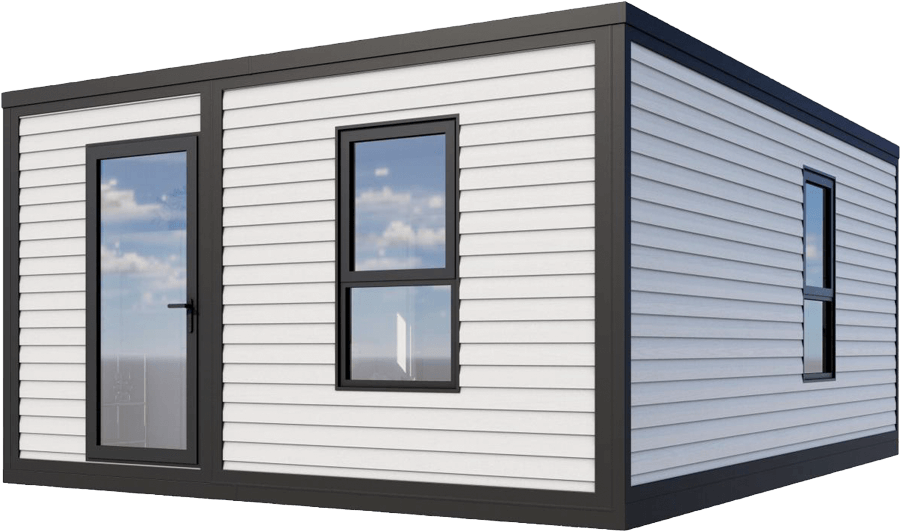
Bachelor
Compact studio-style; ideal for one person, workforce housing, or seasonal/rental use.

Bedroom x1

Bathroom x1

Living Room

Kitchen
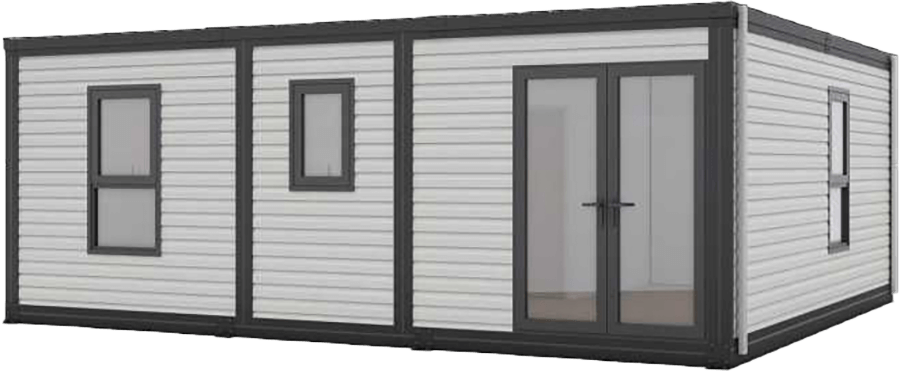
Starter
Balanced living/sleeping/kitchen/bath; the core “starter home” package.
Bedrooms x2
Bathroom x1
Living Room
Kitchen
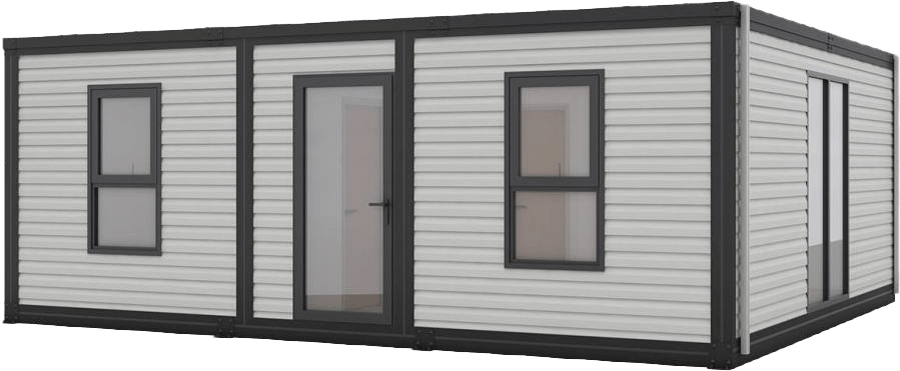
Starter Max
Similar footprint to Starter; floorplan optimized with a larger kitchen and more optimized common space.
Bedrooms x2
Bathroom x1
Living Room
Kitchen
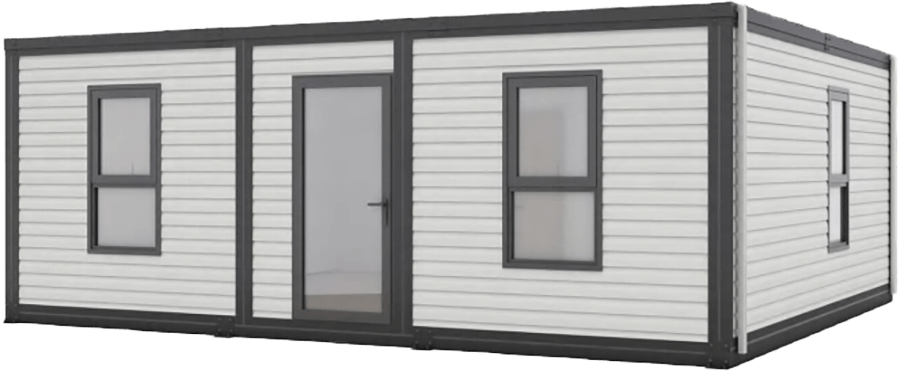
Open
Open-plan interior without partitions; emphasizes flexible living/working space.

Open Area x1
Bathroom x1
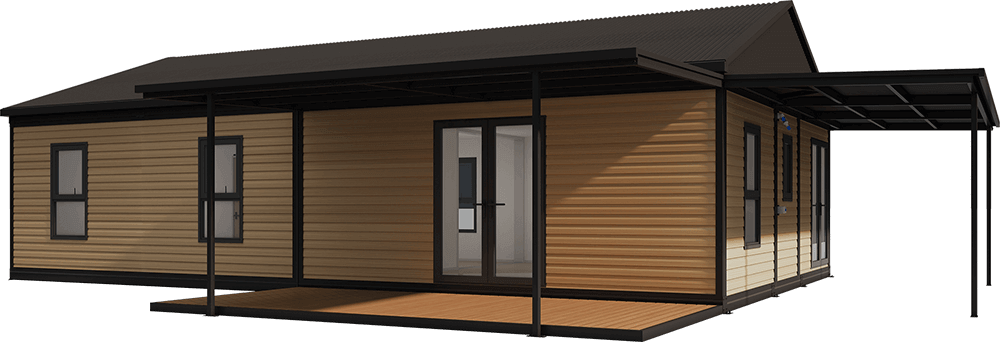
Family
A larger multi-bedroom and multi-bathroom unit for stand-alone family housing.
Bedrooms x3
Bathrooms x2
Living Room

Dining Room
Kitchen
Starter Max
Similar footprint to Starter; floorplan optimized with a larger kitchen and more generous common space.
10 baths
10 baths
10 baths
10 baths
10 baths
The Advantages of a “Foldable” Home
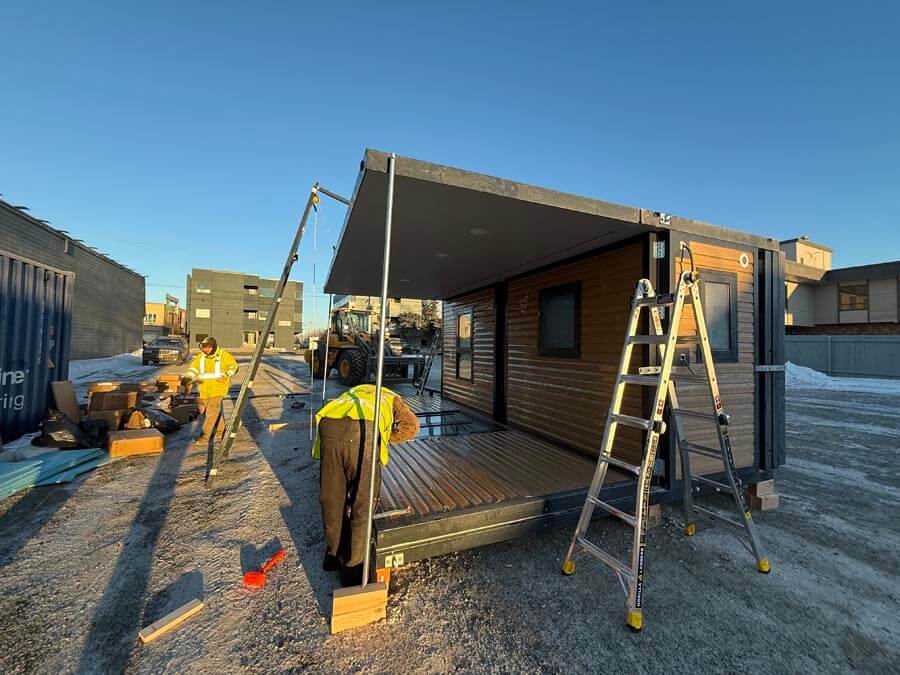
Polar Tough Homes is inspired by long-duration habitat thinking: modular systems built in controlled environments and deployed in extreme locations. A key influence is the “origami-style” concept used in the design of the International Space Station. We wanted to build a complete livable structure that could be folded for efficient transport, then opened and deployed on arrival.
For Alaska, the 20-foot Conex container is the most universal freight form factor across rural communities, including many river and smaller coastal communities. We use the Conex footprint in the same way for our shippable folded homes. If a home can ship within a 20-foot container footprint, it can reach almost any village in Alaska, whether that means barge windows, road access, or seasonal multi-modal logistics.
Advantages of a Polar Tough Home
- Makes homeownership attainable by materially lowering total purchase price versus conventional homes.
- Reduces monthly housing costs (mortgage/rent) by lowering the cost basis per unit.
- Lowers the cash hurdle to get started (down payment and upfront setup costs).
- Enables “buy now, upgrade later” pathways without sacrificing dignity or safety.
- Makes infill development pencil on small/irregular lots that are otherwise underused.
- Improves revenue per acre for landowners through small-footprint density.
- Converts idle land into predictable rental income (ADU or small-cabin models).
- Supports phased growth: add units as demand is proven instead of overbuilding.
- Improves budget predictability through repeatable designs and standardized scopes.
- Reduces change-order and rework risk versus highly custom site-built projects.
- Shortens time-to-housing, solving urgent shortages faster than conventional builds (often).
- Reduces schedule risk from weather delays by shifting more work offsite (often).
- Reduces dependency on scarce local trades in remote or capacity-constrained markets.
- Simplifies project management by reducing coordination across multiple subcontractors.
- Lowers construction waste and jobsite mess relative to many site builds (often).
- Reduces logistics complexity by minimizing on-site material staging and theft exposure.
- Reduces exposure to cost escalation from long build durations.
- Enables repeatable deployment across multiple sites with consistent outcomes.
- Simplifies procurement through a smaller set of standardized parts/systems.
- Simplifies maintenance planning via uniform layouts and components across units.
- Solves workforce recruitment constraints where “no housing” blocks hiring (teachers, nurses, trades).
- Reduces employee turnover caused by housing instability or poor-quality rentals.
- Reduces hotel reliance and “no vacancy” risk during peak seasons and boom cycles.
- Reduces employer lodging costs (hotel/per diem) with owned or controlled inventory.
- Enables near-site lodging that reduces commute time, fatigue, and winter travel risk.
- Improves safety and operational readiness for critical roles (public safety, utilities, response teams).
- Keeps crews co-located and supervised, reducing missed shifts and coordination failures.
- Provides standardized staff accommodations that simplify onboarding and HR administration.
- Provides flexible occupancy options (single, couple, supervisor) without redesigning the program.
- Stabilizes housing for rotational and project-based work (mining, energy, telecom, construction).
- Expands ADU capacity for long-term rental supply, easing local housing pressure.
- Expands short-term rental or hospitality capacity with fast-to-market inventory (cabins/glamping).
- Creates multigenerational living solutions without major home additions (aging parents nearby).
- Reduces overcrowding by adding an independent, code-compliant living unit.
- Provides privacy separation that reduces household conflict and improves quality of life.
- Creates dedicated work-from-home space that restores productivity and boundaries.
- Provides guest housing capacity without relying on scarce local lodging.
- Enables “care proximity” for family members who need monitoring/support.
- Delivers a smaller, simpler home that reduces cleaning and upkeep burden.
- Reduces lifecycle replacement costs because systems/finishes are smaller and standardized.
- Provides rapid temporary-to-interim housing after disasters, losses, or rebuilds.
- Reduces displacement duration by enabling on-site living during reconstruction.
- Relieves pressure on congregate shelters by providing private, dignified units.
- Supports isolation/quarantine needs with separate, contained living quarters.
- Enables transitional and supportive housing models with scalable micro-campuses.
- Improves resident safety and dignity versus shared or improvised accommodations.
- Reduces neighborhood impact by distributing small units instead of large facilities.
- Helps municipalities meet housing targets using serviced lots with minimal new infrastructure.
- Offers a safer, more compliant alternative to long-term RV/trailer living arrangements.
- Diversifies operator revenue and reduces concentration risk versus one large dorm/lodge facility.
Who We Serve
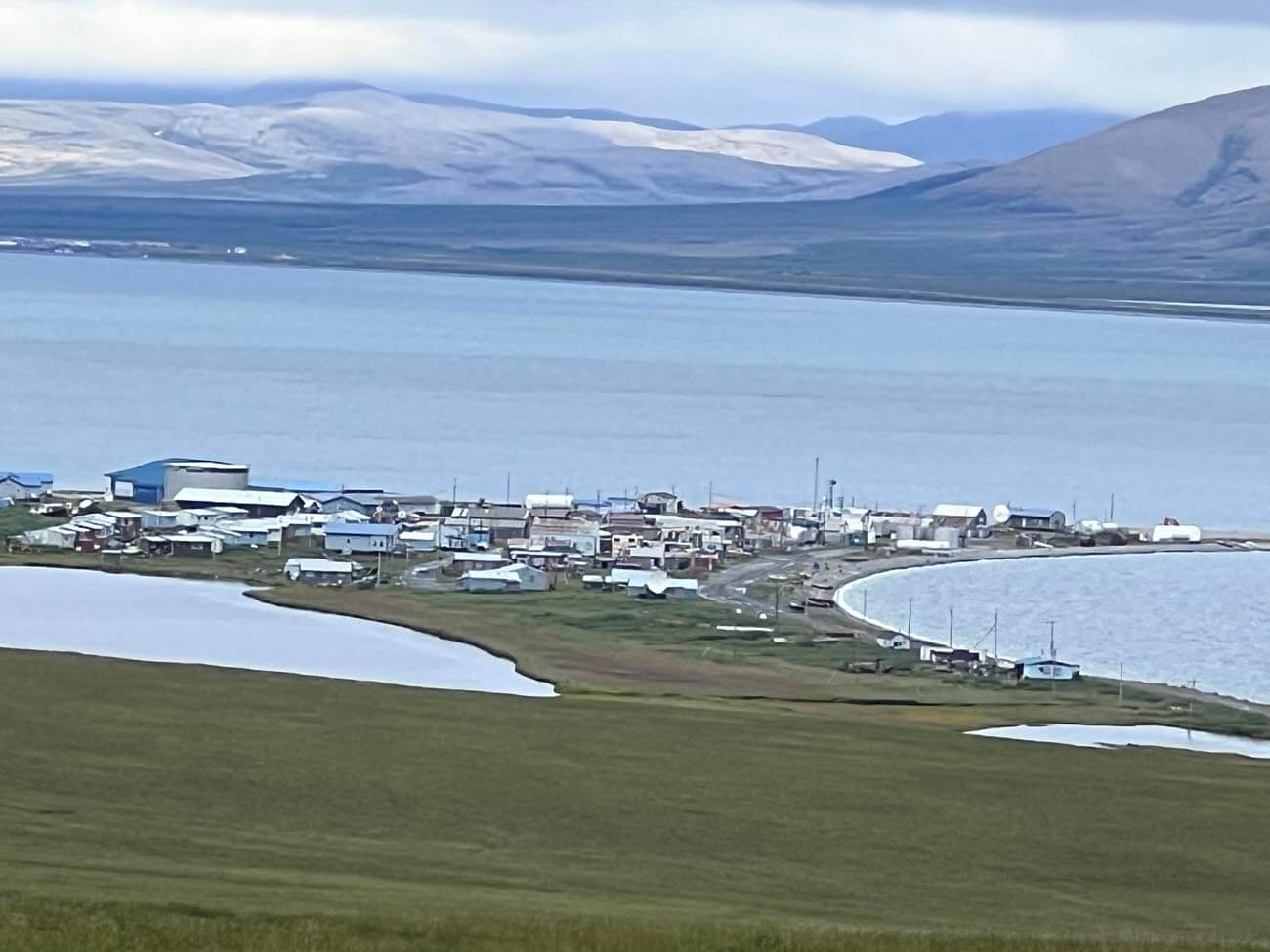
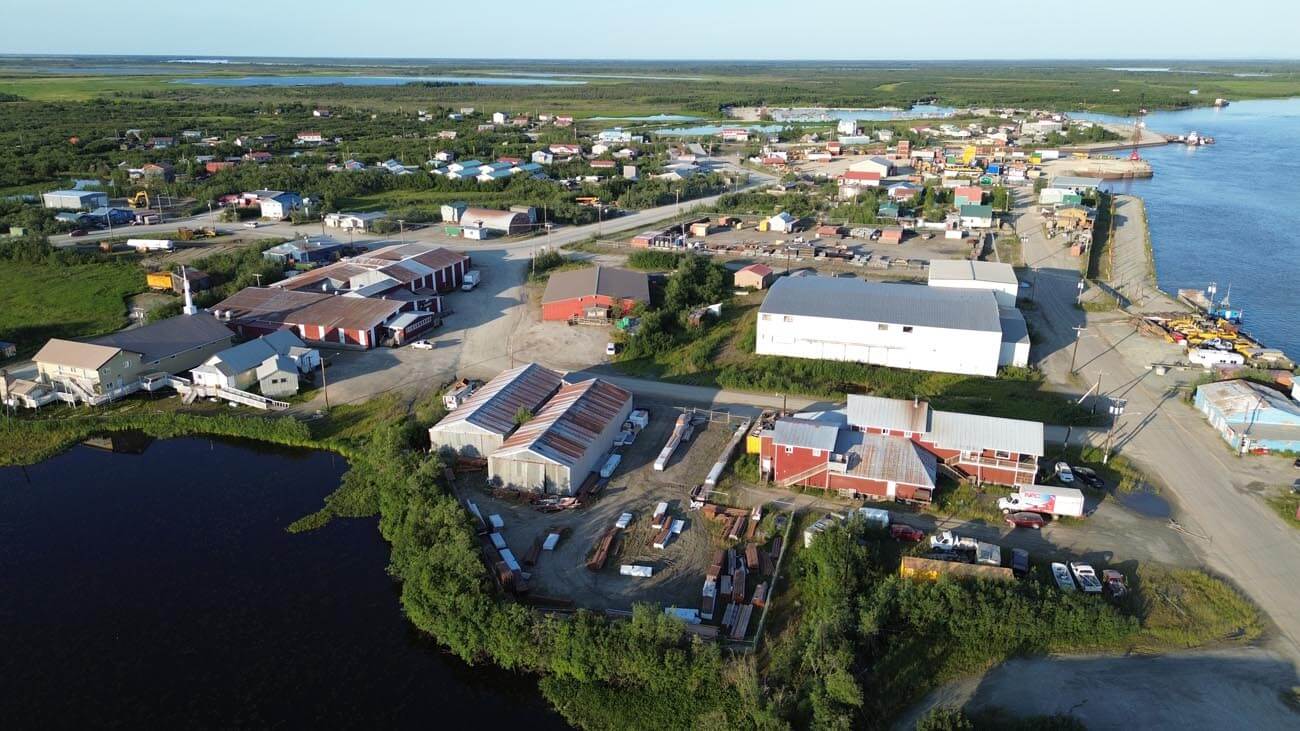
Polar Tough Homes supports multiple buyer types across Alaska. The same core products can be configured for different use cases and deployment environments. For example:
- Individual homebuyers: starter homes, downsizing options, and accessory dwelling units (ADUs). See Homebuyer FAQ
- Tribal and village housing programs: units for overcrowding relief, transitional housing, and staff housing.
- Employers and institutions: staff housing for schools, clinics, utilities, tourism, and construction projects.
- Developers and community partners: multi-unit purchases as part of broader housing plans.
- Vacation getaways and hunting and fishing camps.
Step 1: INITIAL DISCOVERY
We start by understanding your community, climate, site constraints, and intended use. This includes how you plan to place the home (infill lot, worksite pad, micro-campus), your utility situation, and any timing constraints related to freight windows or winter conditions.
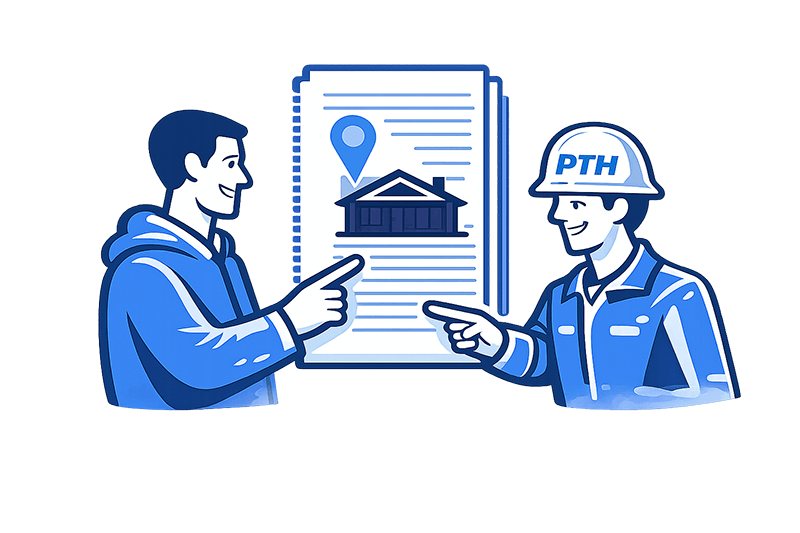
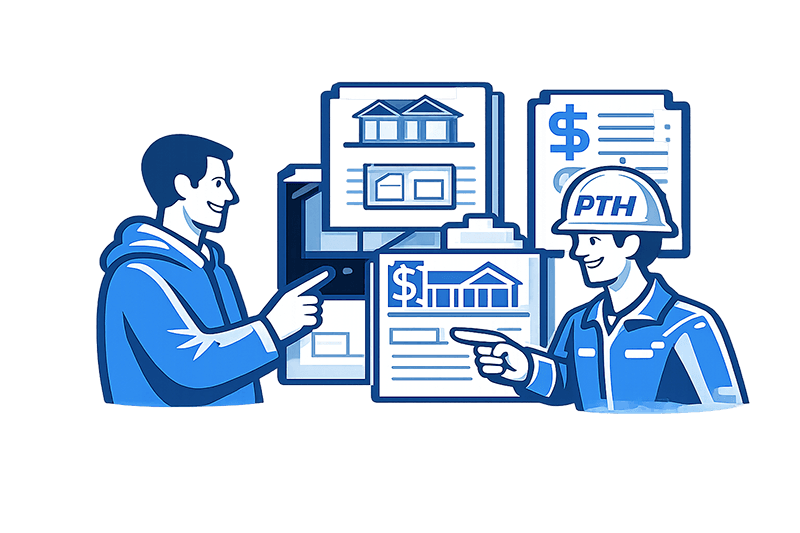
Step 2: CONCEPT + BUDGETARY QUOTE
We recommend a model and insulation tier, discuss roof options and foundation approach, and provide a budget range based on a mutually agreeable FOB delivery point (commonly FOB Anchorage for published/benchmark pricing).
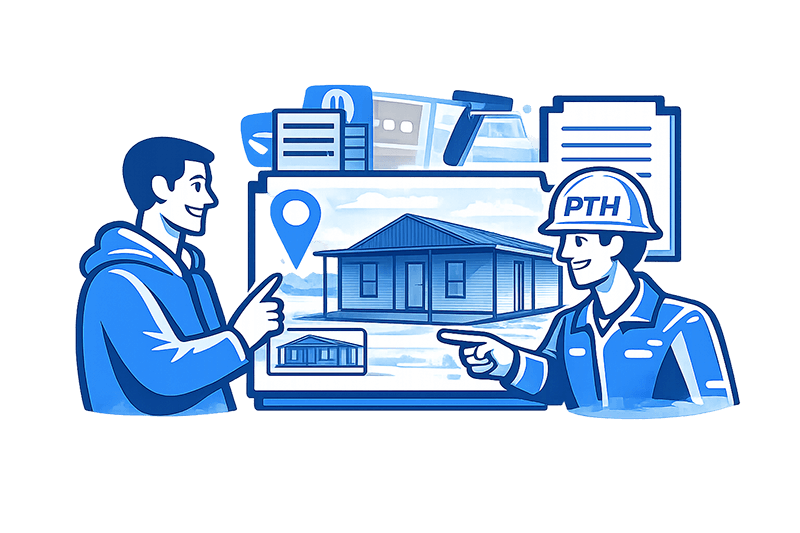
Step 3: SCOPE REFINEMENT
We refine configuration assumptions (foundation, utility connections, finishes and furnishing level) and clarify roles among Polar Tough Homes, the buyer, and any local builder/GC/dealer partners.
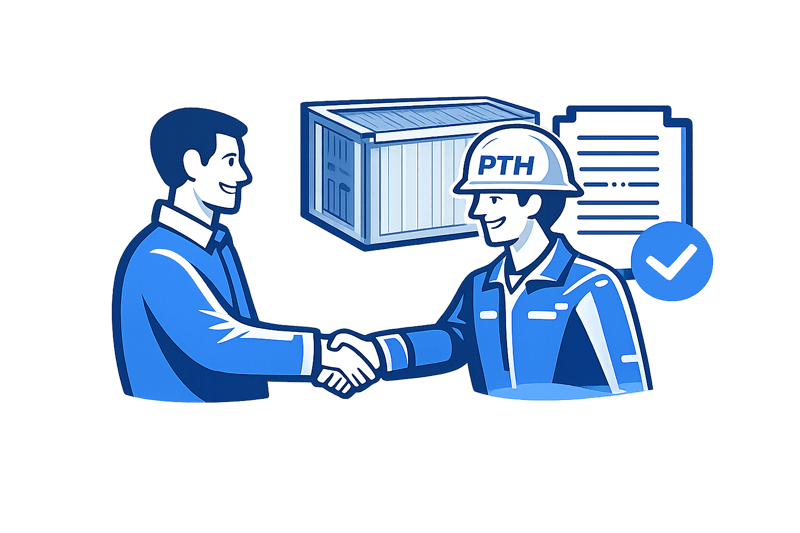
Step 4: ORDER CONFIRMATION (DESIGN FREEZE)
We confirm the final configuration, pricing basis (FOB point), and delivery plan. Minor changes may be possible early; changes cut off at an agreed milestone before production to protect schedule and quality.
Step 5: PRODUCTION, SHIPPING, AND INSTALLATION
Your unit is built in a controlled environment, shipped according to the agreed logistics plan, unfolded/set on the prepared foundation, and then connected/commissioned.