
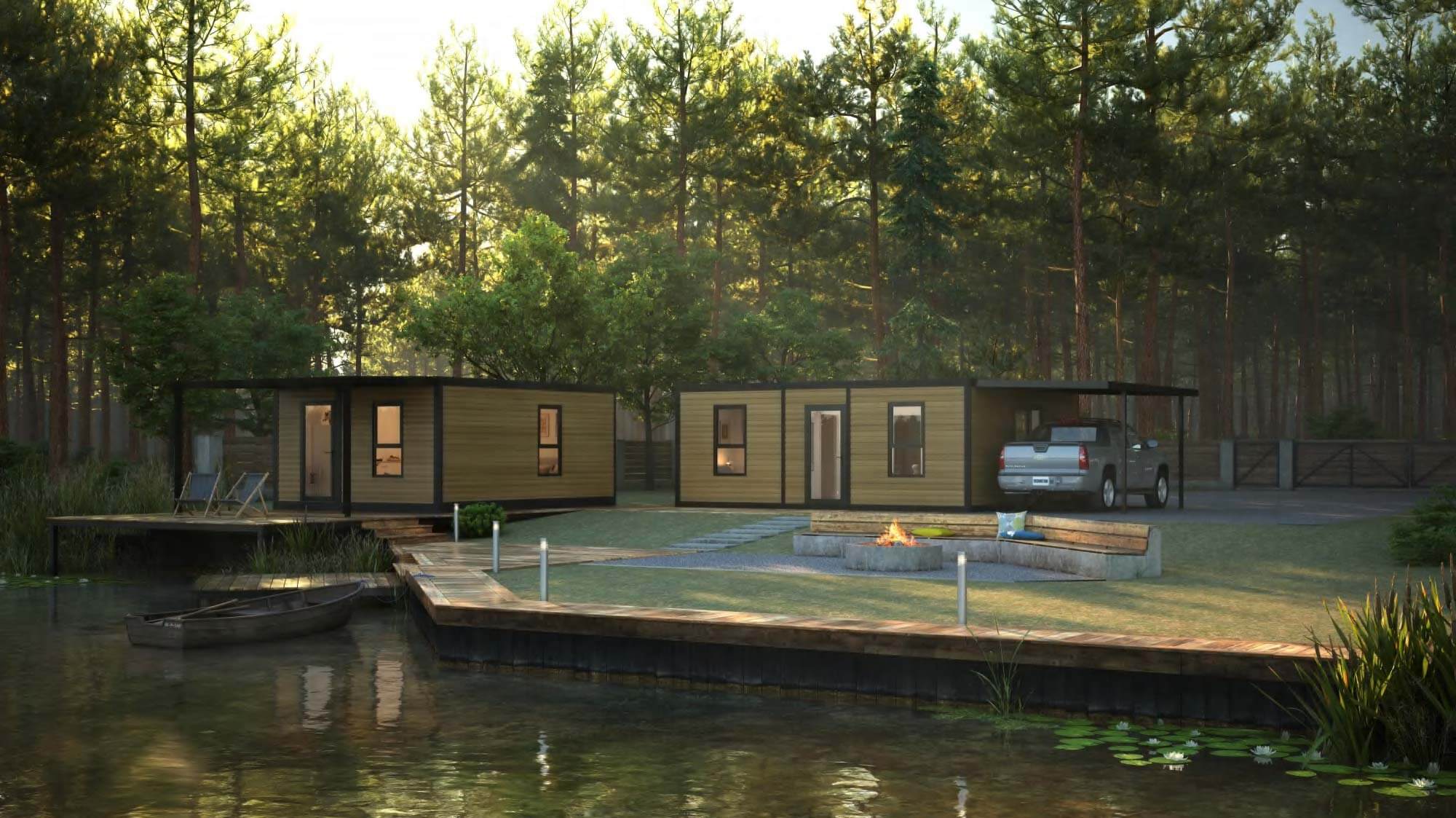
Cheechako (baseline)
Cheechako is the baseline insulation tier for milder locations, seasonal use, or buyers planning later upgrades. It is intended as a practical entry point when initial budget constraints are high or when the home is not planned for full-time winter occupancy.
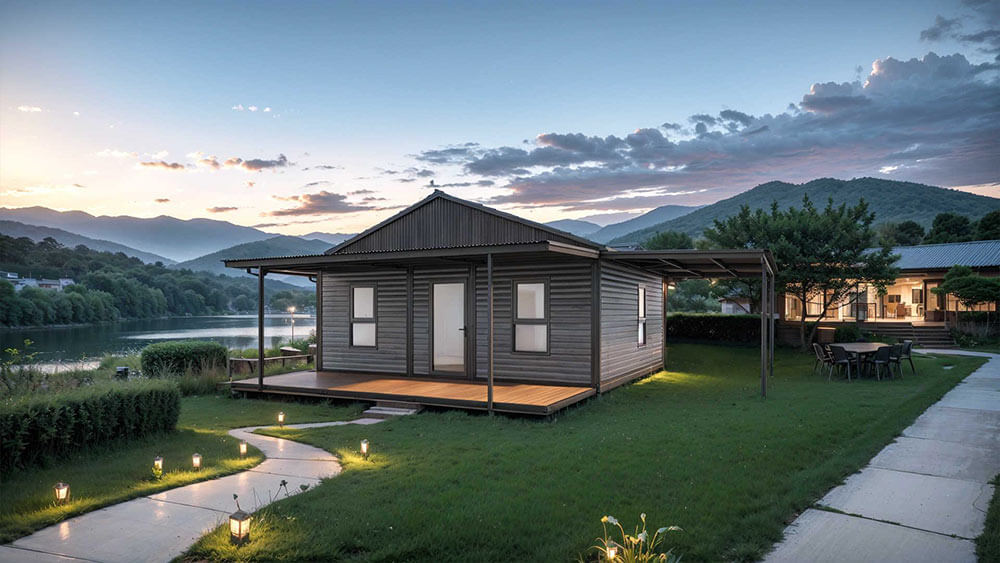
Subarctic (mid-tier)
Subarctic is intended for full-time living in most subarctic Alaska conditions. This tier reflects the standard baseline for many configurations. R-30 and above is the standard baseline for many configurations.
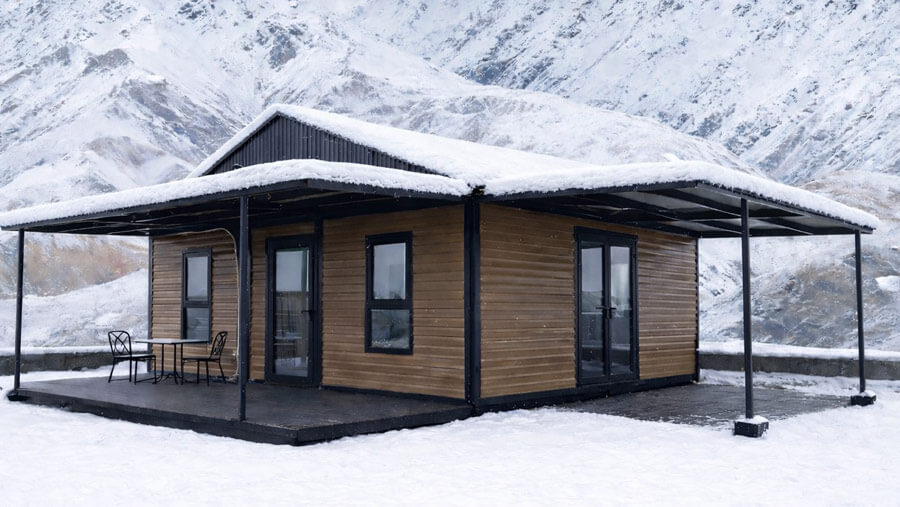
Arctic (top tier)
Arctic is intended for the harshest climates and highest fuel-cost regions, where operating costs and reliability under prolonged cold matter most. This tier typically includes a higher-performance envelope approach, including a double-wall system where applicable.
We will recommend a tier based on your location and use case.
Roof, Interior, and Exterior options
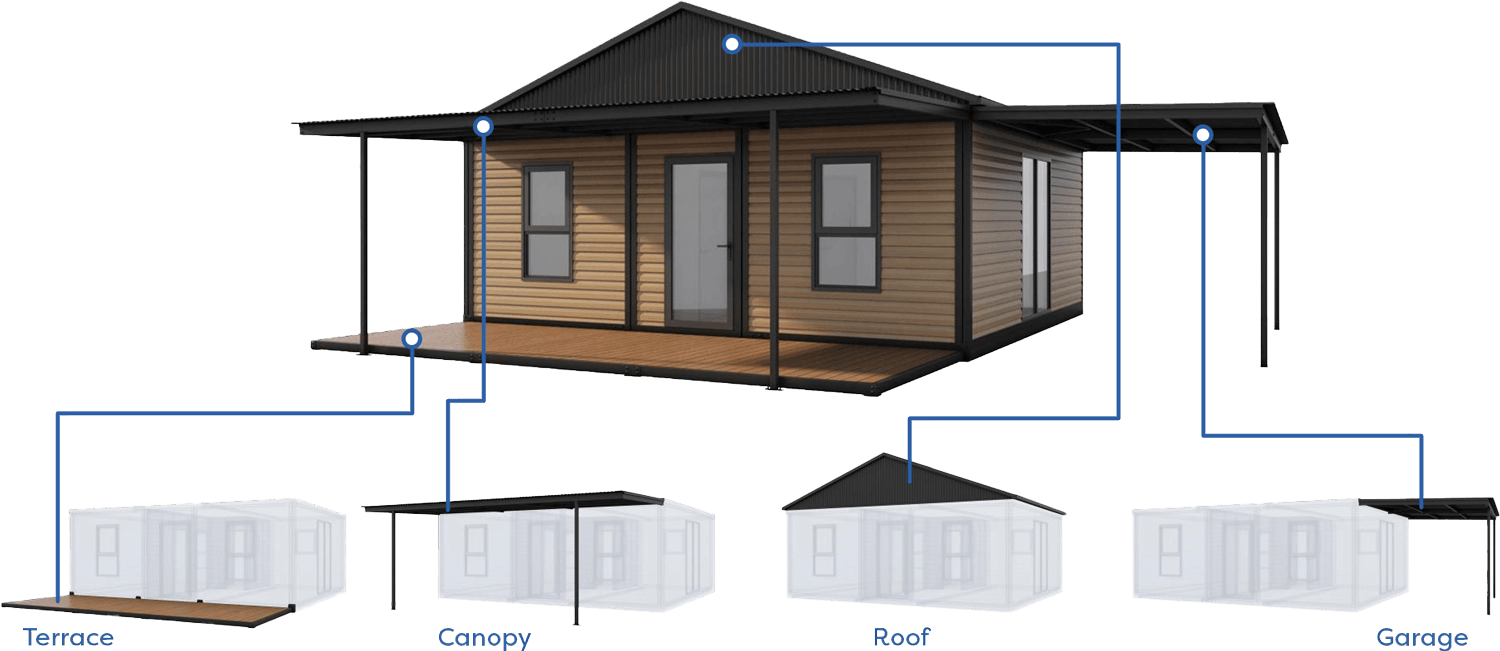
Polar Tough Homes supports multiple roof types across models. Final details depend on your package, wind exposure, and snow behavior in your community.
- Flat roof: suited to high-wind conditions; details and snow strategy must be confirmed by package.
- Double-sloped roof: a general Alaska option for improved snow shedding versus flat roofs.
- Overhang roof option: available; details to be documented (dimensions, wind design, snow behavior).
- High gable / snow roof: targeted for very high snow-load regions; planned to be available for installations in the 2026 build season.
You can also choose different terrace, canopy, or garage options.
Exterior Colors
You can choose from a variety of available exterior types and colors:
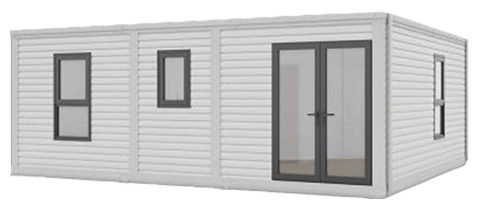
White/White
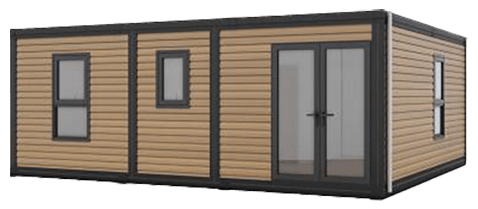
Black/Burlywood
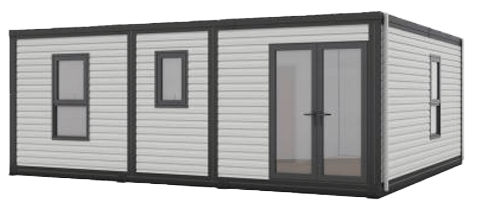
Black/White
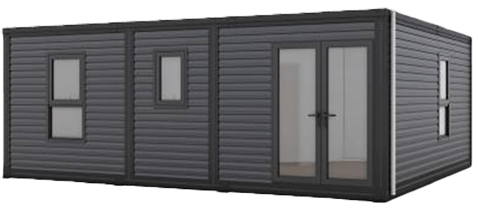
Black/Black
Exterior Walls
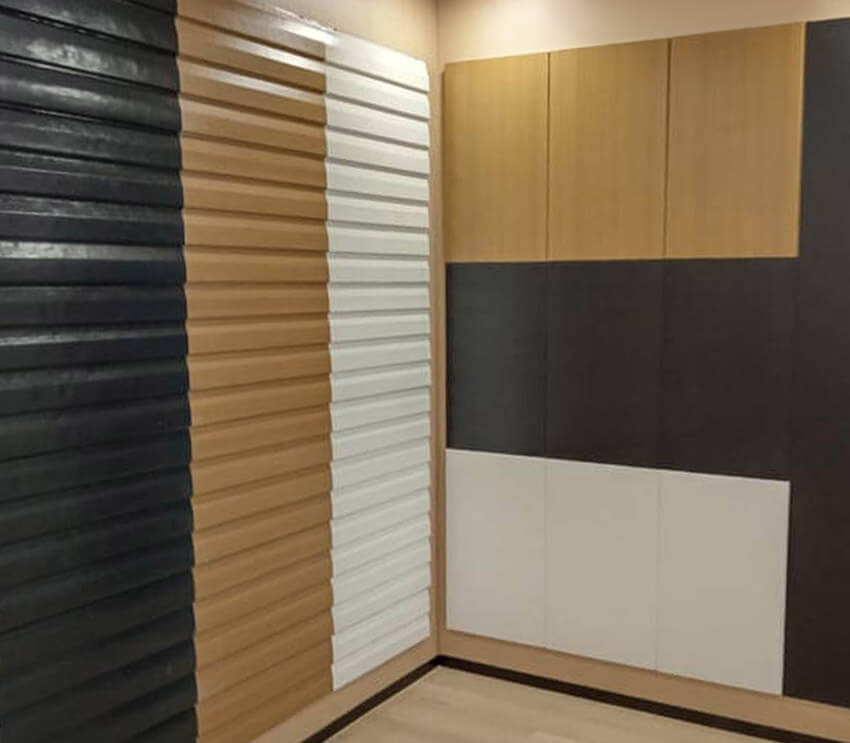
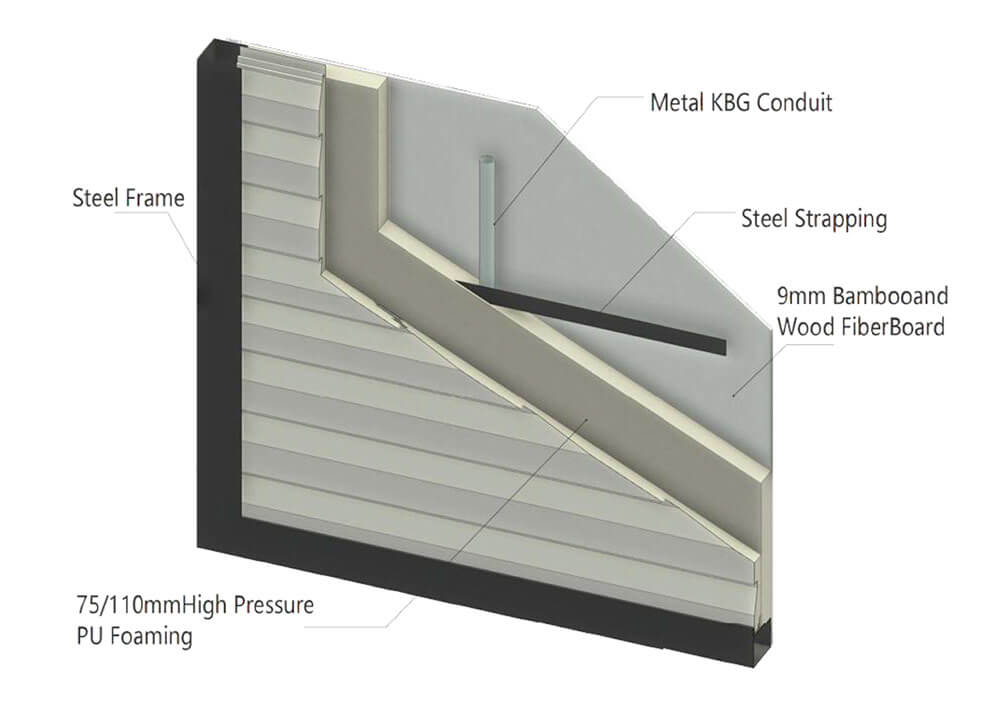
NOTE: Exterior wall construction slightly changes depending on insulation tier configuration.
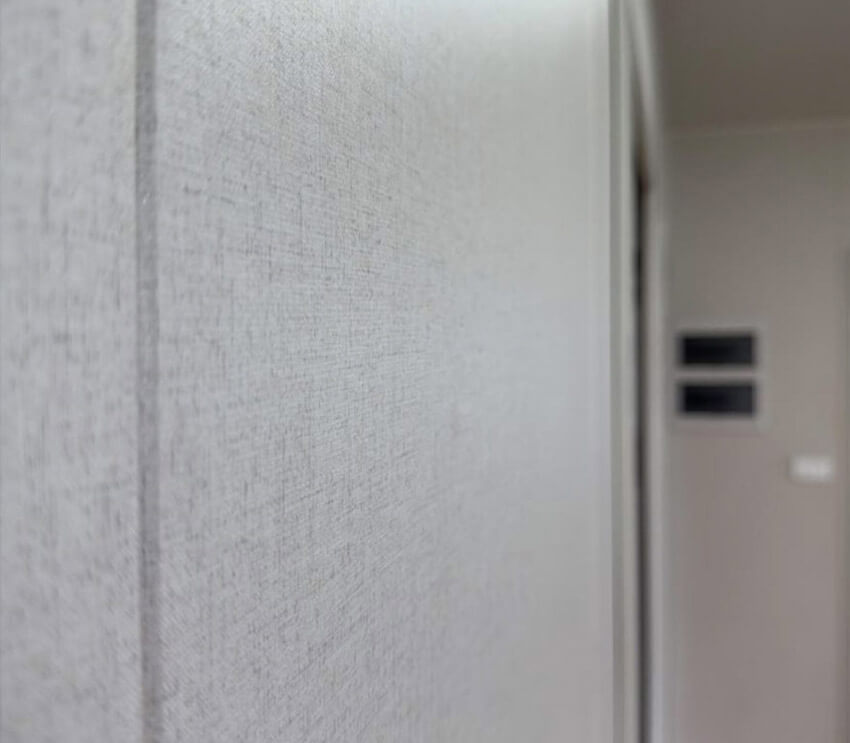
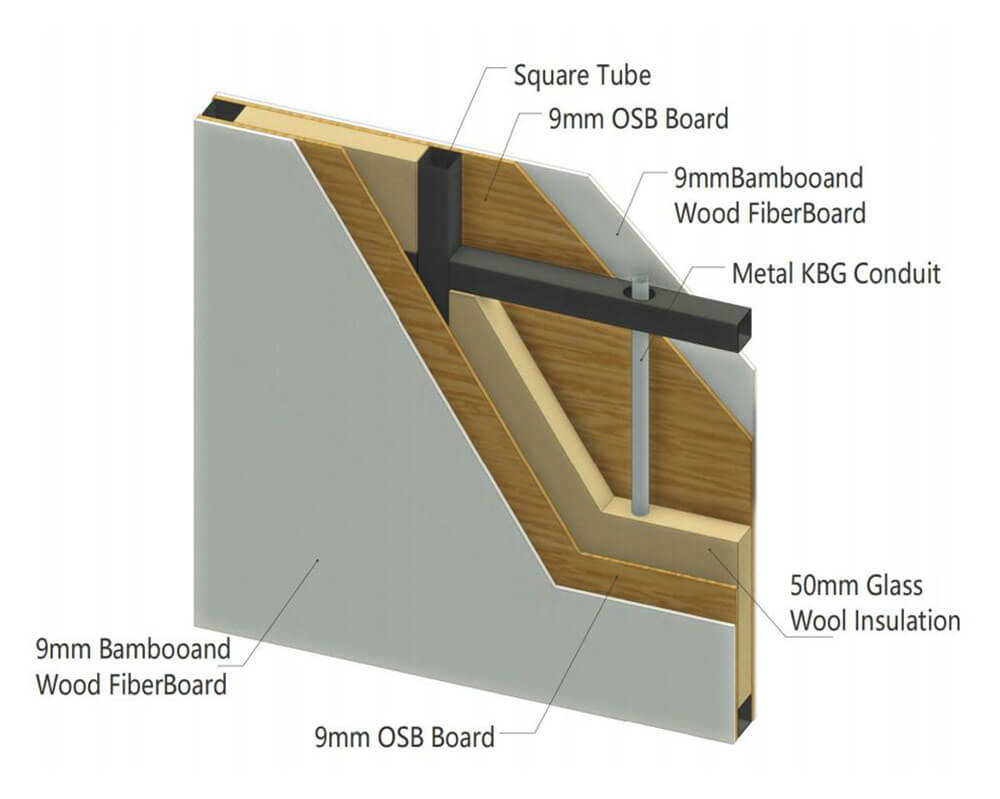
Interior Walls
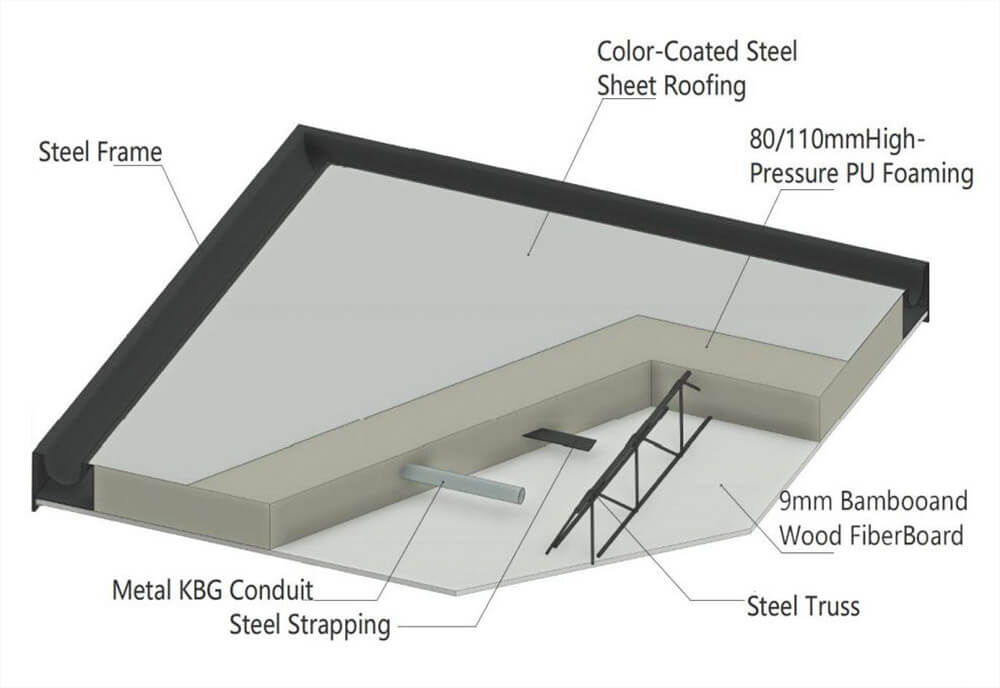
Ceilings
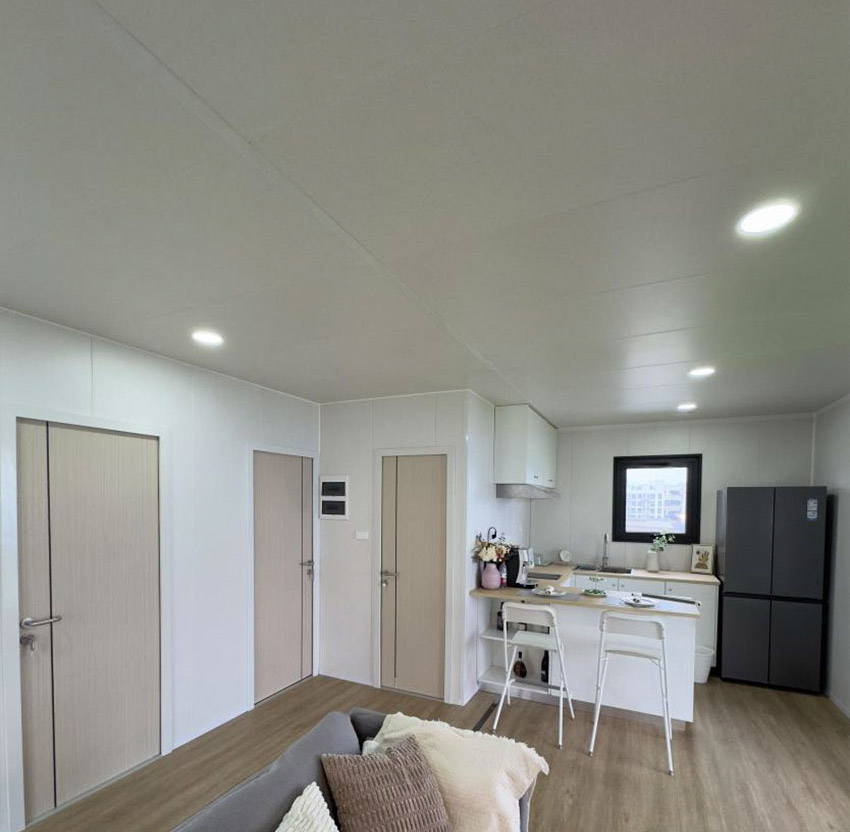
NOTE: Ceiling construction changes slightly depending on insulation tier configuration.
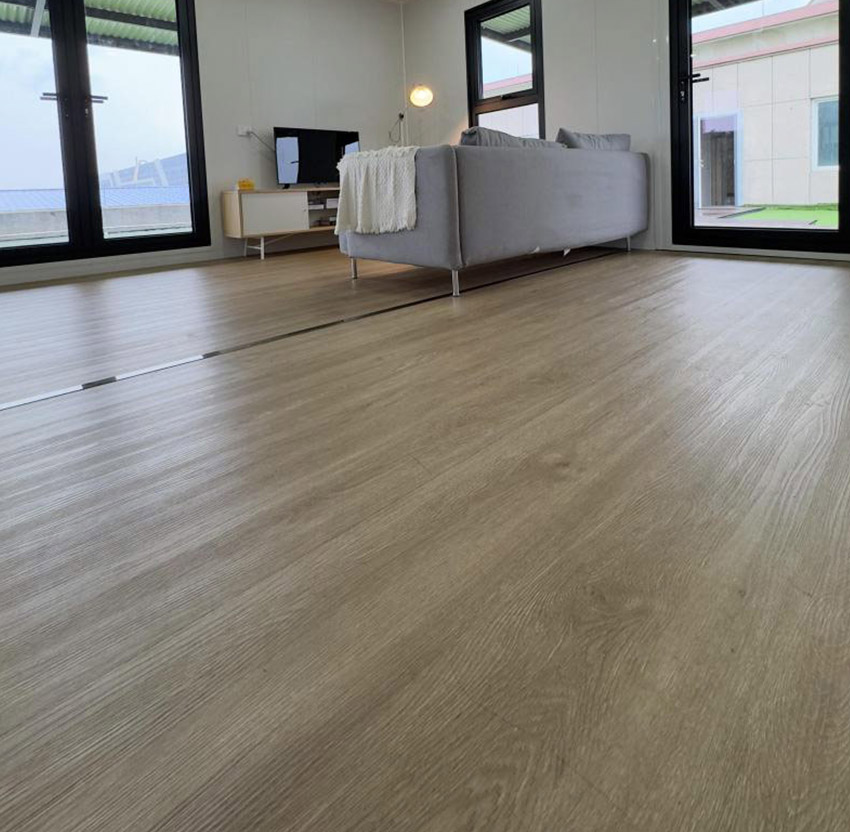
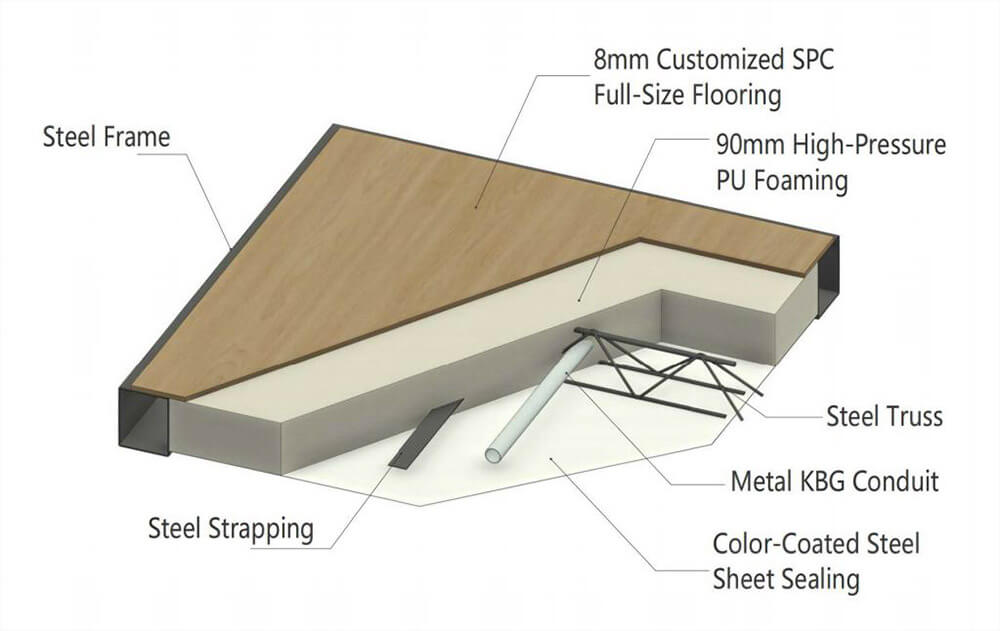
Floors
Furnishing Options
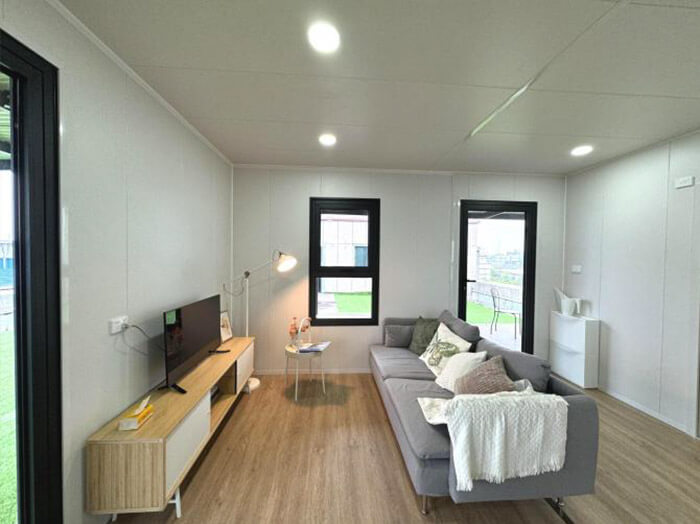
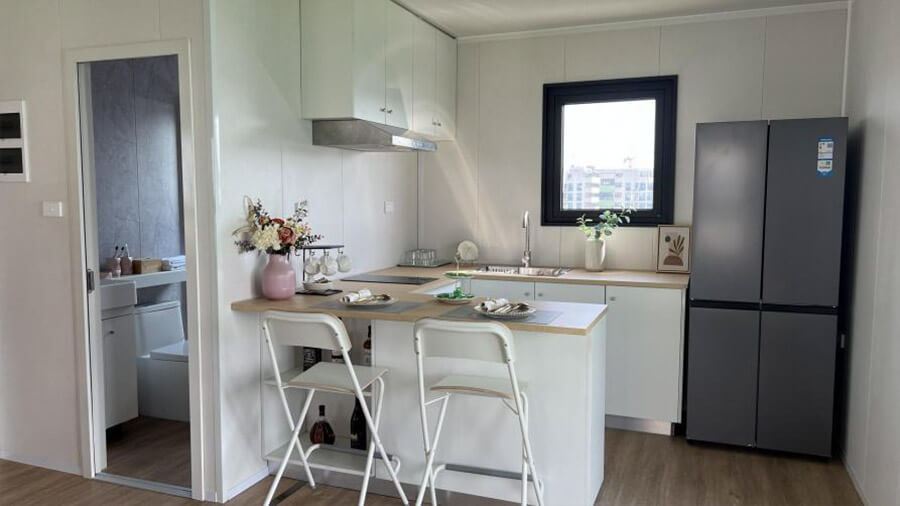
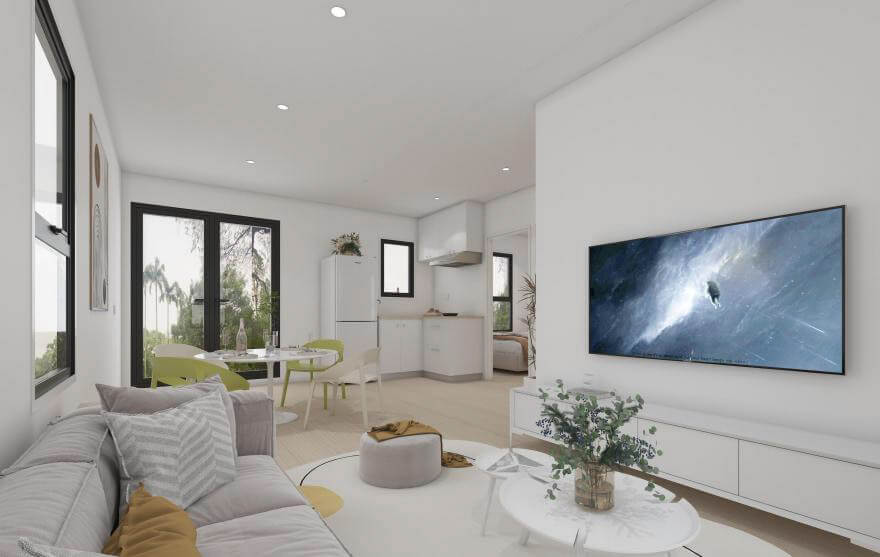
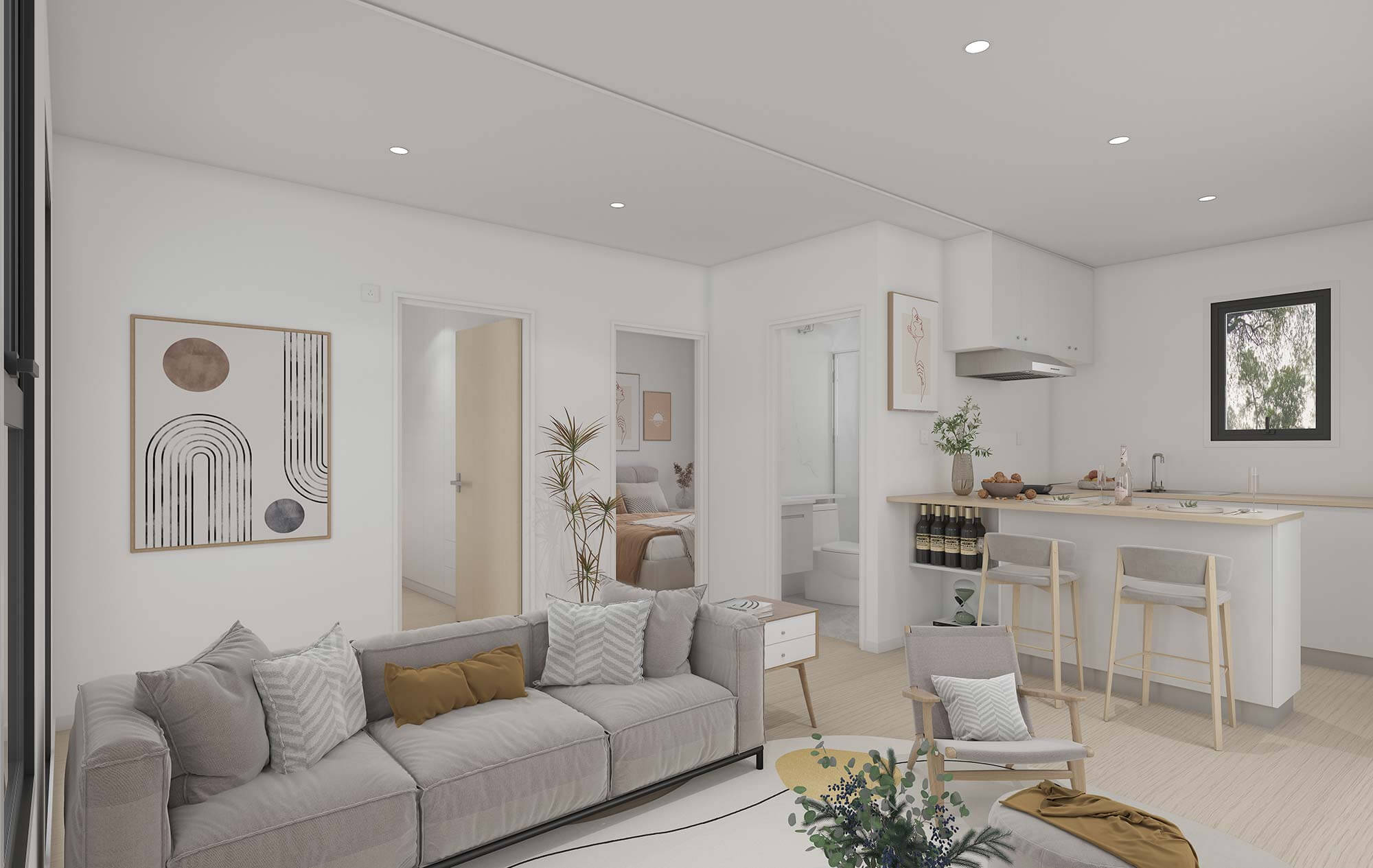
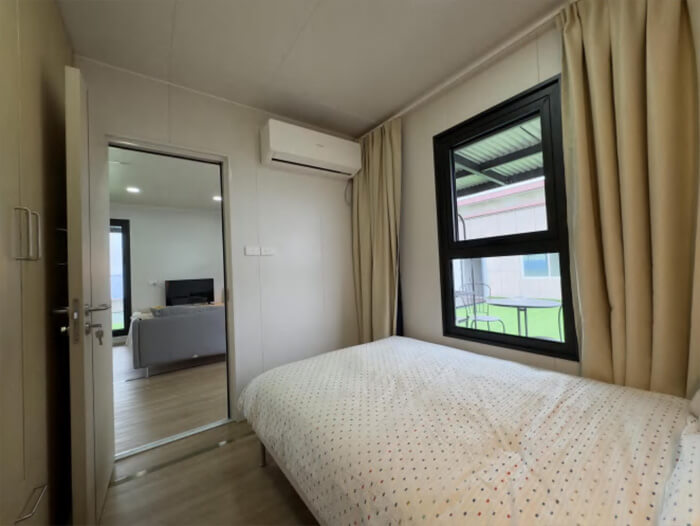
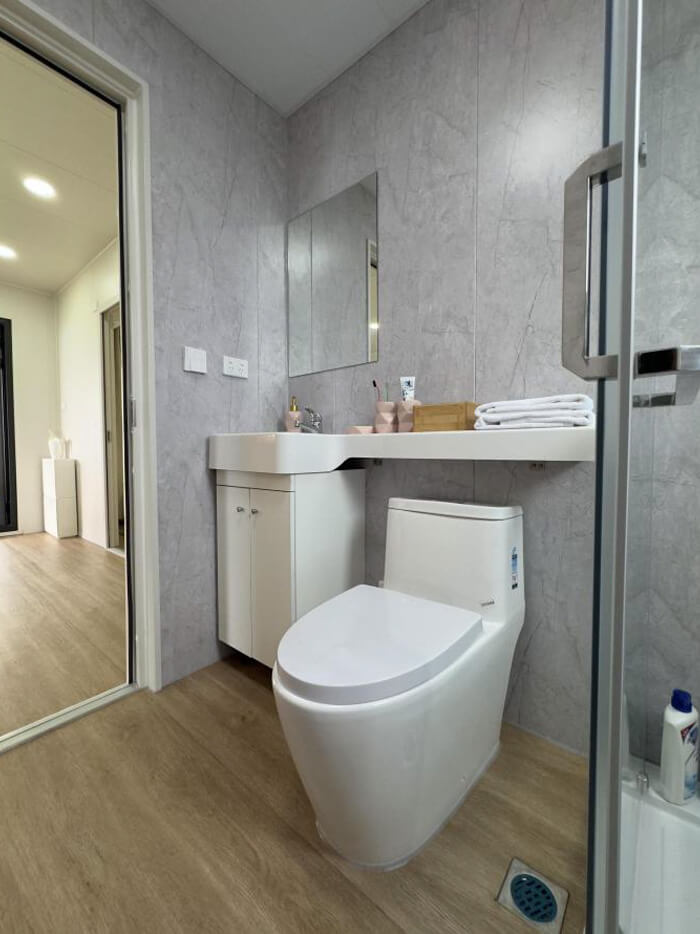
A Polar Tough Home can comes pre-plumbed and wired with everything ready to hook up to local utilities. Furnishings include a complete bathroom and kitchen except a refrigerator or other appliances e.g. TV. It can be shipped with beds, couches, tables, chairs etc. that you choose. Of course you can always bring your own furnishings but this may prove costly or difficult in remote locations, so this prefurnished option is available.
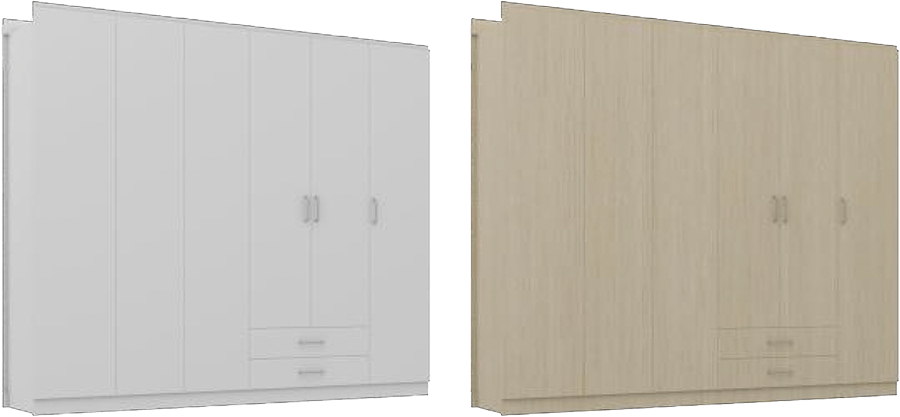
Storage cabinetry/closet
- In white and burlywood options
- Suited for Starter and Starter Max models
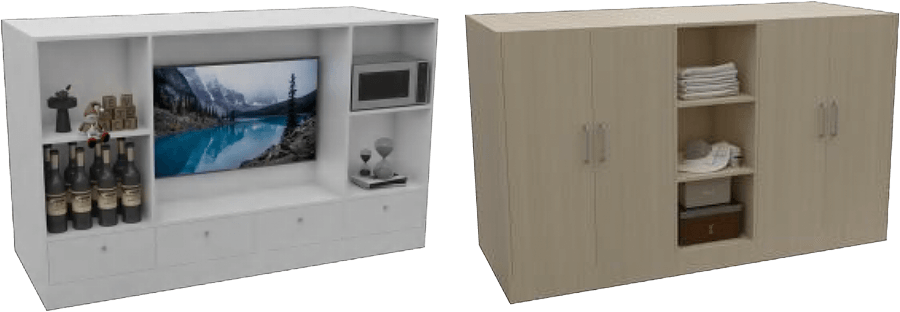
TV cabinet/storage
- In white and burlywood options
- Suited for Bachelor models
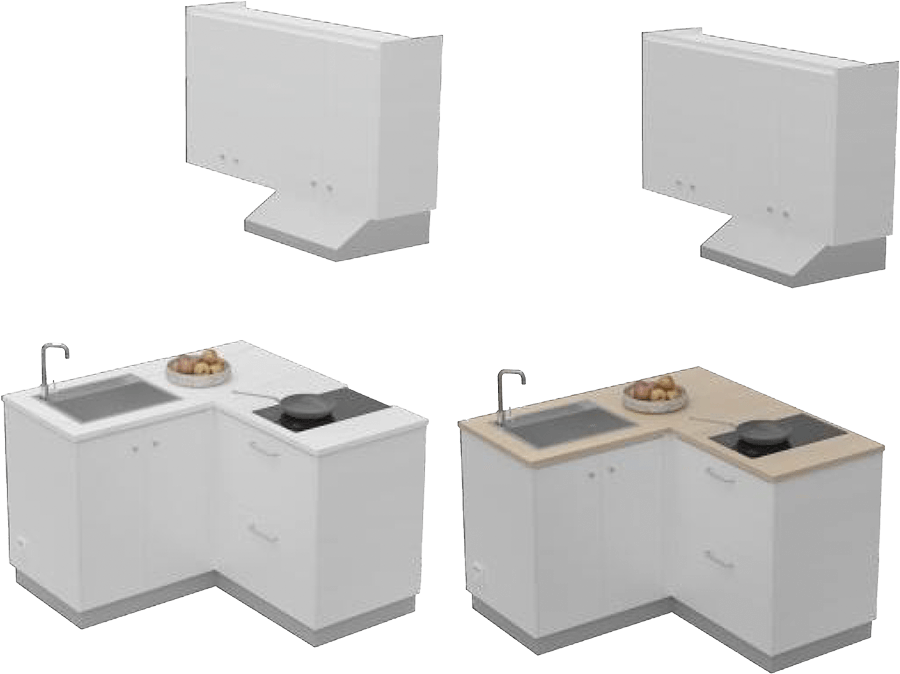
Starter kitchen options
- In white and burlywood countertop options
- Suited for Starter models
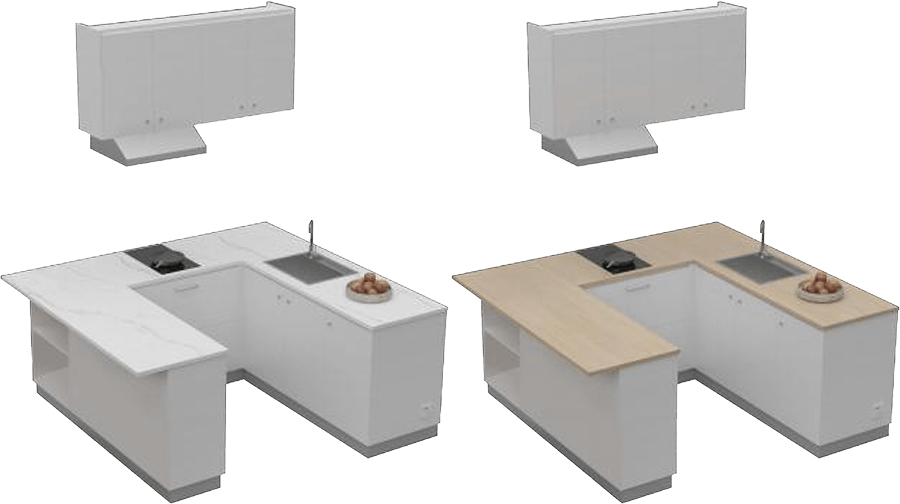
Starter Max kitchen options
- In white and burlywood countertop options
- Suited for Starter Max models
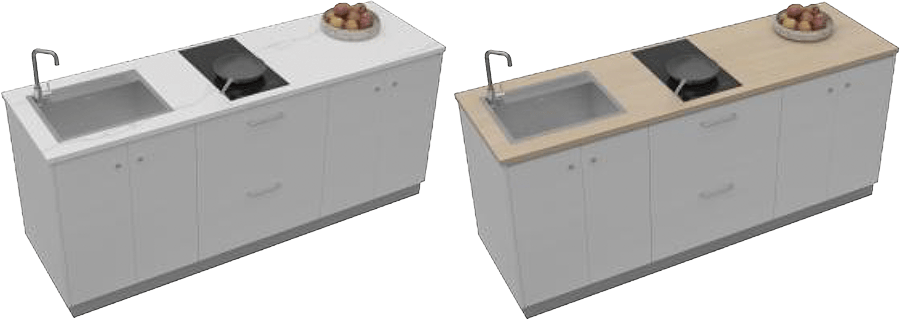
Bachelor kitchen options
- In white and burlywood countertop options
- Suited for Bachelor models
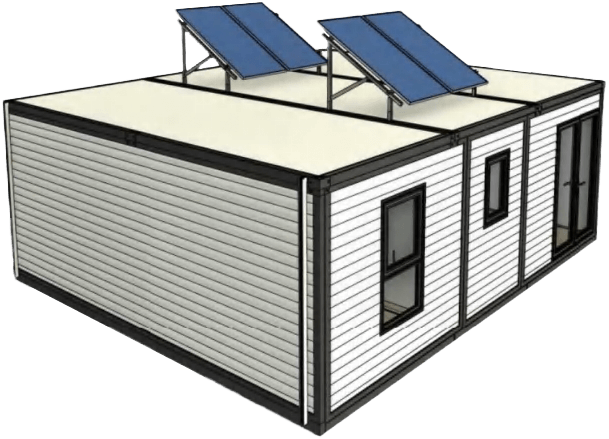
Solar panels
- Optional add-on of rooftop solar panels
Foundations
Foundations that work in remote Alaska.
Site conditions and local code govern the final foundation approach. PTH supports multiple foundation strategies and provides guidance for rigging and handling so local teams can set units safely and efficiently.
Polar Tough Homes are designed first and foremost for Alaska, including road-served communities, barge-served coastal and river communities, and select locations reachable via seasonal or multi-modal logistics.
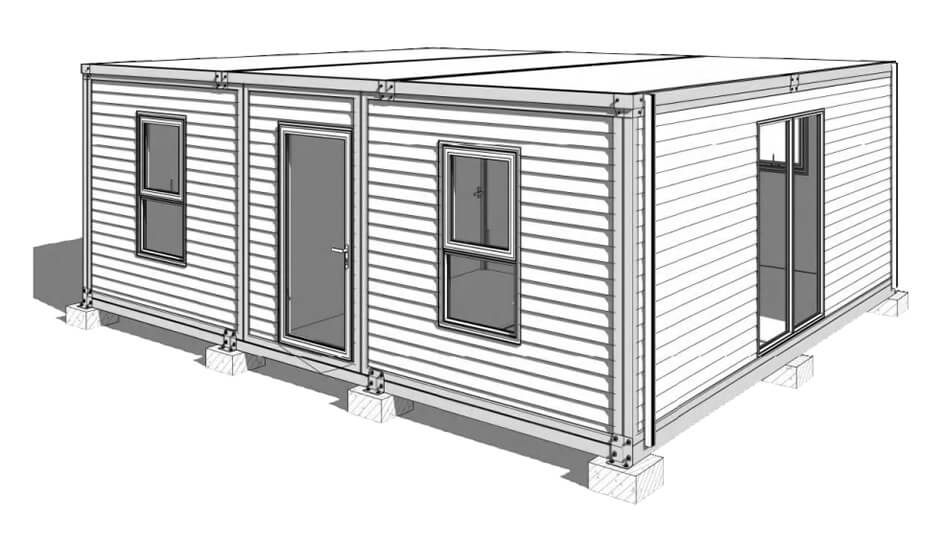
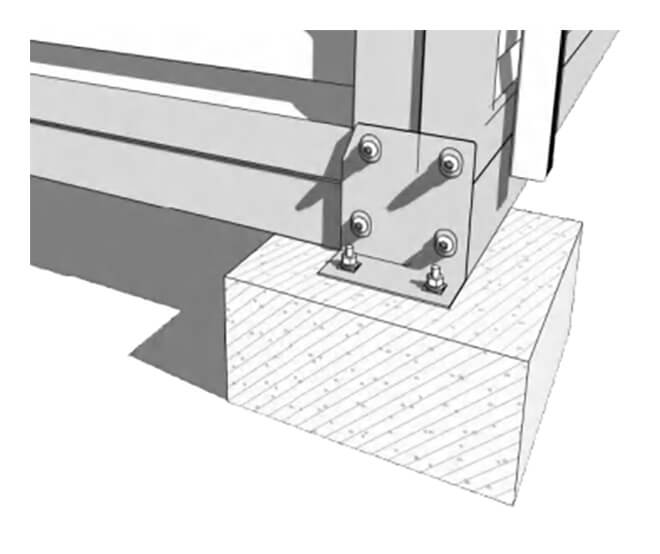
Block Foundation
With concrete blocks suitable for the soil conditions of the installation site.
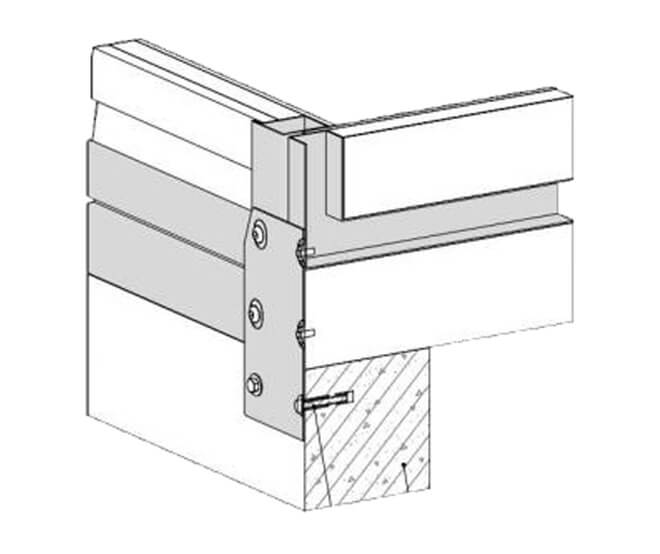
Strip Foundation
With strips of concrete and expansion screws.
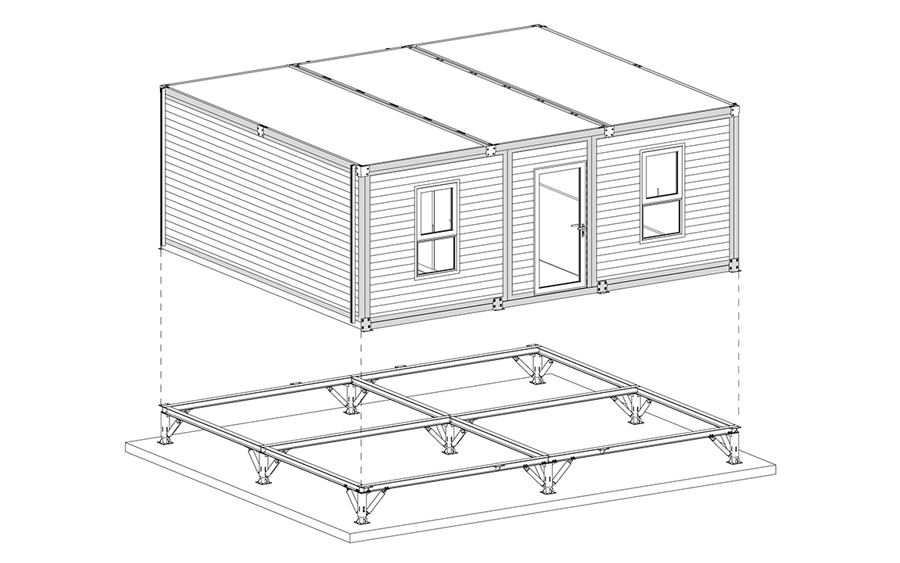
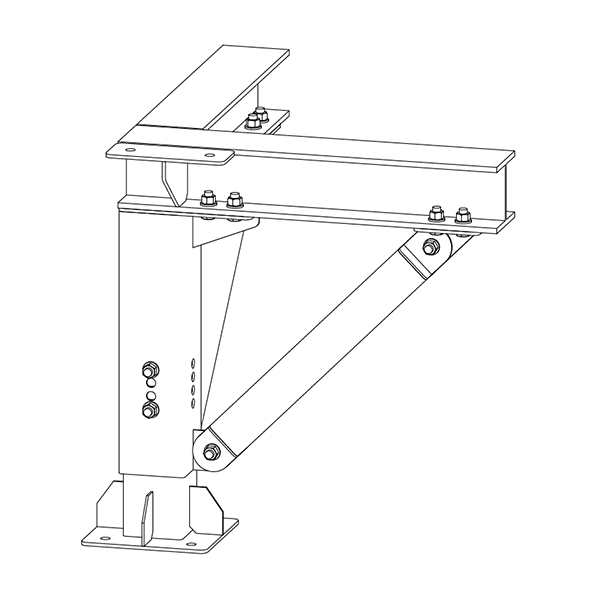
Adjustable Chassis
Ideal for permafrost environments.
Foundation Options Supported
- Permafrost-adjustable foundation system (for seasonal movement / freeze-thaw considerations).
- Steel piers or helical piles: preferred for permafrost zones or poor soils, with engineered anchorage.
- Engineered gravel pads with blocking/skids: used where soils and codes allow.
- Concrete pads or strip footings: typical in more urban/suburban contexts or where decks/entries are planned.
- Elevated platforms: for flood-risk areas or heavy snow-drift management.
Site Locations for your Polar Tough Home
Ideal Locations: Lowest risk and cost
- Serviced neighborhoods / infill lots (utilities, plowed roads, inspections, easy staging).
- Suburban edge lots on well-drained soils (room to stage crane/flatbed; simpler setbacks).
- Gravel benches / raised pads above floodplain (excellent drainage; reduced ice-jam/flood risk).
- South-facing slopes (gentle grade) (better winter solar gain; faster snow melt; less icing).
- Boreal woods with road access (wind shelter and privacy – assuming you can clear safely and manage wildfire defensible space).
- Bedrock or shallow-to-bedrock ridges/knobs (very stable bearing; often good drainage – watch wind exposure).
- Coastal oceanfront with elevation and setback (high value use-case – must manage storm surge, salt spray corrosion, and bluff erosion).
- Lakefront on stable, non-eroding banks (strong lifestyle value – ensure drainage and septic feasibility).
- Worksite-adjacent pads (mining, ports, construction): fastest operational benefit when you can control access and snow management.
- Micro-campuses on a single managed parcel (supportive/transitional/workforce): simplifies utilities, snow, maintenance, and safety.
Higher-risk environments that can also be used
Because of the low cost of our homes, customers are often willing to consider placing their units in the following (with the right strategy):
- Riverfront/lowlands (flooding, ice jams, saturated soils): our homes can affordably be raised above flood and storm surge levels.
- Active coastal bluffs (erosion/retrogression): our homes are easier to move if conditions dictate.
- Exposed ridgelines (extreme wind loading, drifting, icing, higher heat loss): properly equipped, our homes can survive even the toughest conditions in Alaska.
- Known permafrost with ice-rich soils: requires specialized foundation/thermal protection strategy. PTH has developed a foundation specifically for use in permafrost conditions – this should be highlighted in programmatic and engineering conversations.
Mobility and Permitting Options
Any model can be ordered with an integrated trailer or chassis for towing and easier relocation. Depending on configuration and local rules, some units may be eligible to be treated as RVs or mobile/manufactured homes, which can help in contexts with difficult permitting for permanent structures.
When installed on permanent foundations, units are typically treated as permanent dwellings under local building and zoning codes.
Note: permitting and classification vary by jurisdiction. PTH can provide documentation and coordinate with local partners, but final determinations are made by the local authority having jurisdiction.